 All
Articles
All
Articles Email
Analytics
Email
Analytics

Florence Broder


In today’s digitally-driven world, consumer reviews have become an essential component of brand reputation and success. They not only influence purchasing decisions but also provide valuable insights into consumer preferences and expectations. However, what many brands often overlook is the importance of asking customers for reviews at the right time. Sometimes it comes down to not what you ask but how and when you ask. By strategically timing review requests, brands can maximize their data collection efforts and unlock the true potential of consumer insights. Remember the more reviews you have, the more data you have for consumer insights to help you make better data-driven decisions for your business.
In this article, we will explore how brands can harness the power of consumer reviews and leverage Revuze’s Generative AI platform to support their marketing, product development, and ecommerce needs. Additionally, we will dive into the art of asking customers for reviews and provide tips on how to optimize the ask.
1. The Impact of Consumer Reviews:
Consumer reviews have emerged as a crucial factor in shaping consumer behavior and brand perception. According to a Harvard Business Review article titled “When Is the Best Time to Ask Customers for a Review?”, reviews can significantly influence purchase decisions, with more than 90% of consumers considering them when making a buying choice. Positive reviews can build trust, enhance credibility, and drive brand loyalty, while negative reviews can expose areas of improvement and help brands rectify issues.
2. The Right Time to Ask for Consumer Reviews:
Asking customers for reviews at the right time is crucial for maximizing their impact. The HBR article suggests that customers are most likely to leave a review immediately after a positive experience, making it an ideal moment to request feedback. By capitalizing on this positive sentiment, brands can increase the likelihood of receiving favorable reviews that can further bolster their reputation. Conversely, asking for reviews during or immediately after a negative experience may result in a higher number of negative reviews, potentially damaging the brand’s image.

3. The Art of Asking Customers for Reviews:
To effectively ask customers for reviews, brands can take inspiration from the Forbes article titled “The Art of Asking Customers for Reviews: How to Do It Right”. The article provides valuable tips for creating a positive review request experience. Some key insights include:
- Personalize the Request: Tailor your review request to each customer, using their name and referring to their specific experience with your brand. This personal touch shows that you value their opinion and creates a sense of importance. This is something that Amazon executes really well.
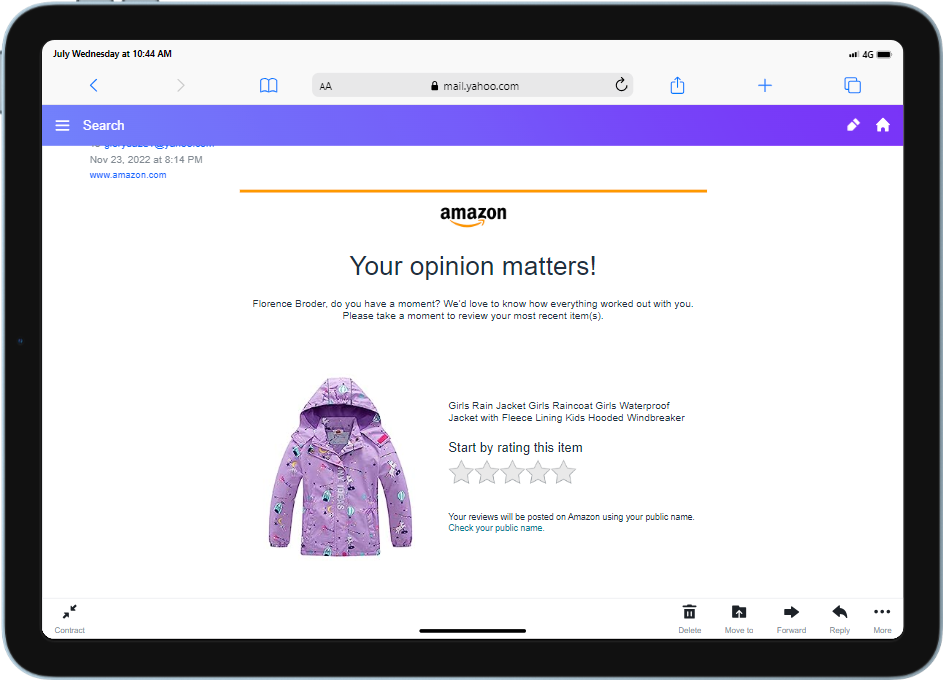
- Make It Easy: Provide simple and accessible avenues for customers to leave reviews. This could include links to review platforms, email templates, or even QR codes that direct customers to review pages.
- Incentivize without Bias: Offer incentives for leaving reviews, but ensure they are not contingent upon positive feedback. The goal is to encourage honest and authentic reviews that reflect genuine customer experiences.
- Follow Up with Gratitude: Express appreciation to customers who take the time to leave a review. A personalized thank-you email or a small token of gratitude can go a long way in fostering positive customer relationships.
4. Unlocking Consumer Insights:
Every customer review represents a valuable data point that holds potential insights into consumer preferences, pain points, and expectations. The more reviews a brand receives, the richer the data set becomes, enabling businesses to gain a deeper understanding of their target audience. By collecting a diverse range of consumer feedback, brands can identify trends, patterns, and emerging market demands, thereby empowering marketing, product development, and ecommerce strategies.
5. The Power of Generative AI:
Revuze’s Generative AI platform offers a unique opportunity for brands to extract actionable insights from the vast pool of consumer reviews. Leveraging cutting-edge technology, Revuze’s platform analyzes and synthesizes customer feedback, providing real-time, comprehensive insights into consumer sentiment, preferences, and needs. By harnessing the power of AI, brands can transform massive amounts of unstructured data into actionable intelligence, enabling them to make informed decisions and drive business growth.
Conclusion:
In the era of consumer-centricity, harnessing the power of consumer reviews at the right time can make a significant difference in a brand’s success. By strategically timing review requests, brands can increase the number of positive reviews and generate a wealth of consumer insights. Drawing insights from the Forbes article on the art of asking customers for reviews, brands can enhance their review request process and create a positive experience for customers. When combined with Revuze’s Generative AI platform, brands can unlock the full potential of consumer feedback, transforming it into actionable intelligence for marketing, product development, and ecommerce needs. So, let’s embrace the power of timing, master the art of asking for reviews, and utilize the collective wisdom of our customers to propel our brands to new heights of success. Visit our website to learn how Revuze’s platform can support your brand.

 Agencies
Insights
Agencies
Insights